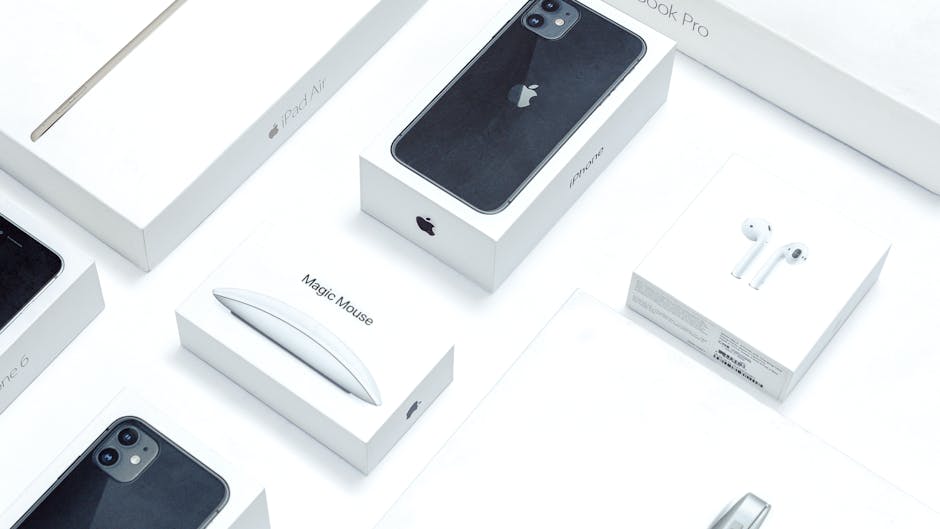
How to Find Retail Buyers for Consumer Electronics in the United States
For consumer electronics brands, getting a meeting with a US retail buyer is rarely the hardest part. Getting taken seriously is. Buyers in the United States evaluate more than product design, margin, and packaging. They assess whether a brand can support US distribution, maintain regulatory compliance, meet retailer operational standards, and avoid creating risk for the merchant team. That is why many international brands mistake buyer discovery for the full market entry strategy.
If your objective is global expansion into the United States, buyer outreach needs to sit inside a broader commercial plan: category positioning, pricing architecture, retail channel fit, regulatory update monitoring, and packaging and label requirements. For categories that touch battery safety, wireless functionality, child use, personal care features, or health-related claims, a buyer may also ask questions linked to compliance long before the first purchase order is issued.
This matters because the US retail landscape is large but filtered. National chains, regional chains, club stores, specialty electronics retailers, office supply chains, home improvement, mass merchants, and marketplace-led omnichannel players all buy differently. A buyer for a 200-store specialty chain may prioritize differentiated attachments and MAP discipline. A buyer at a major mass retailer may focus on velocity, margin, returns risk, and packaging compliance. A distributor serving airport retail may care more about planogram fit, theft deterrence packaging, and replenishment reliability.
For founders and marketing directors, the practical question is not just who buys consumer electronics in the United States, but which buyer is commercially realistic for your stage, product, and compliance posture. A structured approach saves months of wasted outreach and reduces the chance of entering the market with the wrong channel strategy.
Why US Retail Buyers Are Hard to Access
Retail buying teams in consumer electronics receive constant inbound outreach. They filter aggressively because category shelves are crowded, return rates can be high, and non-compliant products create financial and reputational exposure. In the United States, many retailers now expect suppliers to arrive with a complete go-to-market story: MSRP, wholesale pricing, promotional calendar, fulfillment model, warranty process, content assets, marketplace controls, and evidence that label requirements and product documentation are in order.
For imported consumer electronics, buyer confidence is shaped by five practical questions:
- Is the product clearly positioned? Buyers need to understand the use case, target customer, and why the item deserves shelf space.
- Will it sell at the planned price point? Comparable products, attachment rates, and gross margin matter immediately.
- Can the brand support retail operations? EDI, carton labeling, routing guides, returns handling, and inventory planning can decide the outcome.
- Is compliance documented? Depending on the product, this may include FCC, UL/ETL-related retailer expectations, battery transport documentation, California warnings, or FDA-related concerns if wellness functionality crosses into regulated territory.
- Will the brand create channel conflict? Uncontrolled Amazon pricing or inconsistent distributor terms can stop a listing before it starts.
This is why market entry success depends on buyer targeting and commercial readiness at the same time.
Where Consumer Electronics Brands Actually Find US Retail Buyers
Retail buyers are sourced through a combination of direct retail mapping, distributor networks, trade events, category intelligence platforms, and channel-adjacent introductions. The right route depends on the product category, retail price, and the scale of your US launch.
Primary buyer access routes
| Route | Best For | What You Need Ready | Main Risk |
|---|---|---|---|
| Direct outreach to retailers | Brands with a clear category fit and proven sell-through | Line sheet, margin structure, compliance file, US pricing, ship terms | Low response if targeting is weak |
| Specialty distributors | Emerging brands needing regional scale or retailer introductions | Distributor margin, channel policy, inventory support, training assets | Margin compression and reduced brand control |
| Sales reps and broker networks | Brands entering fragmented specialty retail | Commission model, retailer targets, launch funding | Misaligned incentives if account list is unclear |
| Trade shows and buying events | Brands with demonstrable innovation and retail-ready packaging | Show offer, samples, compliance answers, meeting list | High spend without follow-up discipline |
| Marketplace-to-retail proof | Brands using Amazon or DTC traction to validate demand | Ratings, conversion data, ad performance, return rate metrics | Retailers may see pricing conflict or weak offline differentiation |
In practical terms, most international brands should not begin with the biggest national chains. A more effective sequence is: identify realistic specialty and regional targets, establish proof of sell-through, build a US content and compliance base, then use that traction to approach larger accounts.
How to Build a Buyer Target List That Matches Your Product
The first discipline is category alignment. “Consumer Electronics” is too broad for outreach. Buyers are assigned by category architecture such as mobile accessories, home audio, personal care tech, gaming accessories, travel electronics, connected home, office peripherals, wellness devices, or kids’ tech. A Bluetooth-enabled grooming tool and a desktop charging hub may both be electronics, but they sit in different buyer ecosystems.
Start your target list using the following filters:
- Price band: under $25, $25–$50, $50–$100, or premium.
- Usage occasion: travel, home, gifting, work-from-home, personal care, fitness, family.
- Retail environment: mass, specialty, drug, club, office supply, airport, gift, department store, home improvement.
- Merchandising logic: aisle placement, impulse fixture, checkout, endcap, online-only, or seasonal program.
- Operational burden: returns complexity, setup needs, theft risk, battery handling, training requirements.
Once the category fit is clear, map retailers by account type. For example, a compact travel charger may fit airport retail, electronics specialty, office supply, and mass. A connected beauty device could fit prestige beauty, specialty wellness, and selected mass retailers, but would also need close review of claims, instructions, and any FDA-adjacent positioning if benefits move from cosmetic language toward treatment language.
This is where a structured intelligence product can shorten the process. A US Market Snapshot ($499) can help leadership quickly assess whether the category opportunity, pricing band, and retail route are attractive before building a larger US plan. For brands moving beyond early validation, a full US Launch Report ($999) is more useful because it ties retailer mapping to competition, pricing, and launch sequencing.
A 7-Step Process to Find and Approach US Retail Buyers
-
Define your US retail thesis.
Write a one-page commercial brief covering target user, key product claim, MSRP, opening wholesale price, competitive set, and top three channels. If your product’s value proposition depends on features such as health monitoring, sanitation, skin improvement, or therapeutic effects, check whether your messaging creates FDA-related concerns before outreach. This is where compliance and guidance should be reviewed early, not after buyer meetings.
-
Audit your product’s compliance posture.
Retailers may ask for test reports, declarations, battery documents, warnings, user instructions, importer information, and packaging details. For electronics sold in the United States, possible checkpoints include FCC authorization, state-level warning language, battery transport requirements, and retailer-specific packaging rules. If the item interfaces with wellness or personal care, review whether any claims trigger additional regulatory compliance questions. An AI Label Compliance Analysis ($999) can help identify visible packaging and label requirements gaps before samples are sent to buyers.
-
Create a realistic account universe.
Build a list of 30 to 80 target accounts, segmented into tier 1, tier 2, and tier 3. Include national specialty chains, regional retailers, curated concept stores, and relevant distributors. Record estimated store count, category adjacency, average price architecture, private label presence, ecommerce strength, and likely buyer title.
-
Identify the actual decision-maker.
Titles vary: Buyer, Senior Buyer, Category Merchant, Divisional Merchandise Manager, Merchandise Director, or VP Merchandising. In smaller specialty chains, founders or general merchandise managers may still control buys. For marketplace-led retailers, the online merchandising team may influence onboarding before store placement discussions begin.
-
Prepare the buyer-ready materials.
At minimum: line sheet, price list, retailer margin model, packaging images, carton dimensions, sell-in deck, retail display concept if applicable, compliance summary, logistics terms, warranty policy, and evidence of demand. If you already sell on Amazon, use an Amazon Listing Audit to improve content, conversion, and ratings presentation before citing that performance in buyer outreach.
-
Run multi-touch outreach.
Use a sequence across email, LinkedIn, trade show meeting requests, distributor referrals, and industry introductions. Keep the message short: category fit, customer problem solved, pricing band, why the account is relevant, and one proof point. Attach a one-page line sheet, not a 25-slide deck in the first contact.
-
Track feedback and refine.
If 20 buyers say the price is high, the issue is not your email copy. If buyers like the product but ask for stronger proof of demand, shift effort toward marketplace traction, PR, or regional pilots. If meetings stall on documentation, your market entry block is compliance readiness, not buyer interest.
What Retail Buyers Expect to See From Consumer Electronics Suppliers
Retailers in the United States are increasingly disciplined about onboarding standards. A polished product demo is not enough. Buyers want evidence that your brand can operate in a US retail environment without creating avoidable friction.
Core materials buyers commonly expect
- Wholesale and MSRP structure: clear landed economics, promotional windows, and margin logic.
- Product differentiation: feature-benefit summary against named competitors.
- Content assets: lifestyle images, pack shots, PDP copy, comparison charts, demo videos.
- Packaging readiness: US English copy, warnings, barcode placement, importer/distributor details where required.
- Operational setup: case pack, master carton details, pallet information, lead times, returns procedure.
- Compliance file: relevant certifications, declarations, testing summaries, user instructions, and claim substantiation where applicable.
Buyer confidence rises when documentation is simple and organized. Keep one shared folder with the latest specification sheets, packaging files, certificates, and sales assets. Version control matters. Outdated labels or inconsistent spec sheets are a common source of mistrust.
Compliance, Label Requirements, and FDA-Adjacent Issues
Consumer electronics in the United States are not governed by a single regulator. Depending on product design and claims, oversight can involve multiple federal and state-level requirements. That said, some electronics brands entering beauty, wellness, or personal care can drift into FDA-regulated territory when product claims imply diagnosis, treatment, prevention, or structure/function effects beyond ordinary consumer use.
Examples include LED devices marketed for skin treatment, connected wellness tools making therapeutic claims, or electronic personal care products implying medical outcomes. In these cases, brand teams need clear internal guidance on what claims sales staff, packaging, and ecommerce listings may use. A buyer may not ask for a legal memo, but they often flag language that looks risky.
Label requirements also matter more than many founders expect. Retailers may reject products with missing warnings, unclear instructions, poor English localization, or inconsistent unit labeling. A strong compliance review should check:
- Outer packaging copy consistency with product claims
- Instruction manual clarity and safety warnings
- Battery and charging statements
- Importer or responsible party information where relevant
- Barcode, country of origin, and carton labeling standards
- California-specific warning considerations, if applicable
Because regulatory update cycles can affect claims and warning expectations, compliance should not be treated as a one-time task. It is part of ongoing US market maintenance. Tools such as Industry Intel and BrandVault are useful for keeping launch documents, buyer files, and account-specific requirements organized across teams.
Direct Outreach vs Distributors: Which Route Works Better?
There is no universal answer. Direct retail relationships preserve margin and provide cleaner account intelligence. Distributors reduce the burden of market access, credit risk, and fragmented outreach. For many international brands, the best path is hybrid: direct outreach to a shortlist of high-fit accounts while appointing selective distributors for secondary channels.
Use direct outreach when you have a strong category story, US-ready packaging, and enough operational capacity to support retailer requirements. Use distributors when your product suits gift, travel, regional specialty, or mixed-format channels where buyer access is difficult and replenishment needs are fragmented.
Before signing distribution, ask four questions:
- Which exact retail accounts will the distributor target in the first 12 months?
- What gross margin remains after distributor economics and promo support?
- How will Amazon, DTC, and retail pricing be controlled?
- Who owns the buyer relationship and account data?
Common Mistakes Consumer Electronics Brands Make
- Targeting retailer names instead of category fit. A logo list is not a strategy. Product-channel alignment matters more than aspiration.
- Leading with product features and ignoring merchant economics. Buyers need to know margin, velocity potential, and return risk quickly.
- Using non-compliant or unlocalized packaging in samples. Early sample impressions often shape whether the brand is taken seriously.
- Making broad wellness or treatment claims without review. This creates unnecessary FDA-related concern and can stall market entry.
- Approaching mass retail before proving demand elsewhere. Regional and specialty wins often create the evidence needed for larger accounts.
- Failing to control online pricing. Buyers notice Amazon price instability and may reject the line over channel conflict concerns.
- Not having a retailer-specific story. The same pitch should not be sent to office supply, beauty specialty, and airport retail.
What a Strong US Buyer Outreach Program Looks Like
A strong program combines retail intelligence, compliance preparation, and disciplined prospecting. It starts with a shortlist of the right accounts, not the biggest accounts. It includes a documented compliance position, especially if the product touches wellness, beauty tech, or claim-sensitive functionality. It uses marketplace or regional sales proof where available. And it equips the sales team with retailer-specific materials rather than one generic deck.
For brand leaders evaluating the United States for global expansion, the key is to treat buyer acquisition as one component of the US launch system. The brands that secure durable retail growth are usually the ones that enter the conversation already prepared for operational, commercial, and compliance scrutiny.
If you want a sharper route into the US market, get a personalized US Launch Intelligence Report or start with a free Brand Readiness Score. It is the fastest way to see which retailers fit your consumer electronics brand, where your compliance and label requirements may need work, and how ready you are for serious buyer outreach in the United States.