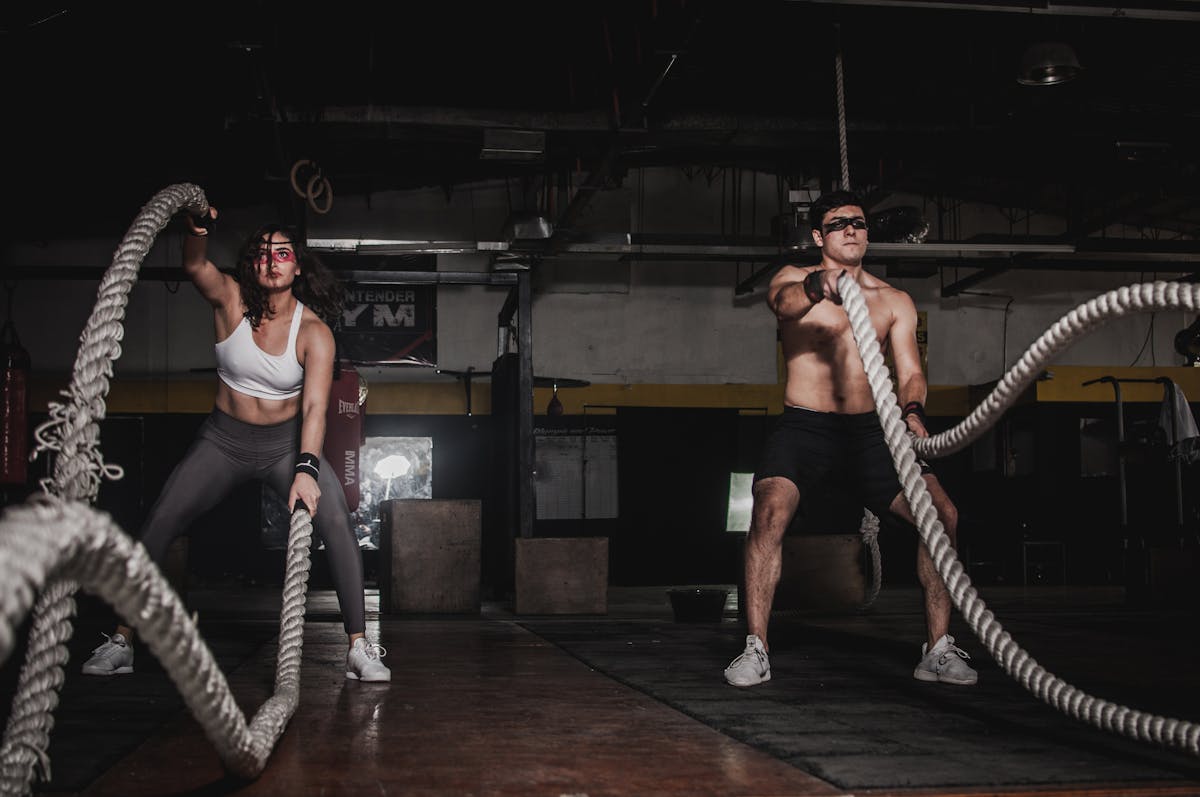
The US fitness equipment market — worth over $12 billion annually and growing post-pandemic — splits into two fundamentally different commercial channels: consumer retail (Dick's Sporting Goods, Amazon, Costco) and commercial/B2B (gyms, hotels, universities, physical therapy clinics). Each channel has its own distributor ecosystem, margin structure, and buyer expectations. Getting the channel strategy right before approaching distributors is the most important first decision.
Before approaching any US fitness equipment distributor, define your primary channel:
Most brands start in one channel and cross over only after establishing market presence. Consumer and commercial distributors are generally different organisations.
The commercial fitness equipment market is served by a network of authorised commercial gym dealers — regional companies that represent multiple equipment brands to gyms, hotels, and institutional buyers across a defined territory. Key facts about commercial dealers:
Key commercial gym dealer associations and directories: the IHRSA (International Health, Racquet & Sportsclub Association) supplier directory lists commercial equipment dealers by region. Club Industry (trade publication) and Athletic Business magazine maintain supplier directories used by facility buyers.
For consumer retail distribution, the primary paths are:
Beyond traditional gyms, the US commercial fitness market includes substantial B2B opportunities with distinct buyer profiles:
At IHRSA, the most productive approach is walking the floor and meeting commercial dealers before committing to a booth. Booth costs at IHRSA are substantial — validate dealer interest first by attending as a visitor in year one.
Ready to go deeper?
Get the full US fitness equipment distribution guide including commercial dealer directory by region, ASTM/UL certification roadmap, IHRSA trade show strategy, and commercial warranty template.
Markets covered
Compliance label analysis
Product categories
Fitness Equipment on Amazon US: Strategy Guide 2026
Amazon US can be the fastest route for international fitness brands to validate demand and build credibility in the United States. This deep guide explains compliance, listing requirements, fulfillment, and how to turn Amazon performance into broader retail growth.
Read article →How United States Consumers Buy Fitness Equipment
US fitness equipment sales are shaped by space constraints, trust signals, review behaviour, and post-purchase support as much as price. This deep explainer shows brands how American consumers evaluate equipment and what matters most for successful market entry.
Read article →Trends In Healthcare Data Breach Statistics: Fitness Equipment
Most fitness equipment brands think US compliance is mainly about safety labels. In 2026, the bigger risk is the overlap between connected-device data practices, tariff shifts, claims discipline, and channel scrutiny.
Read article →