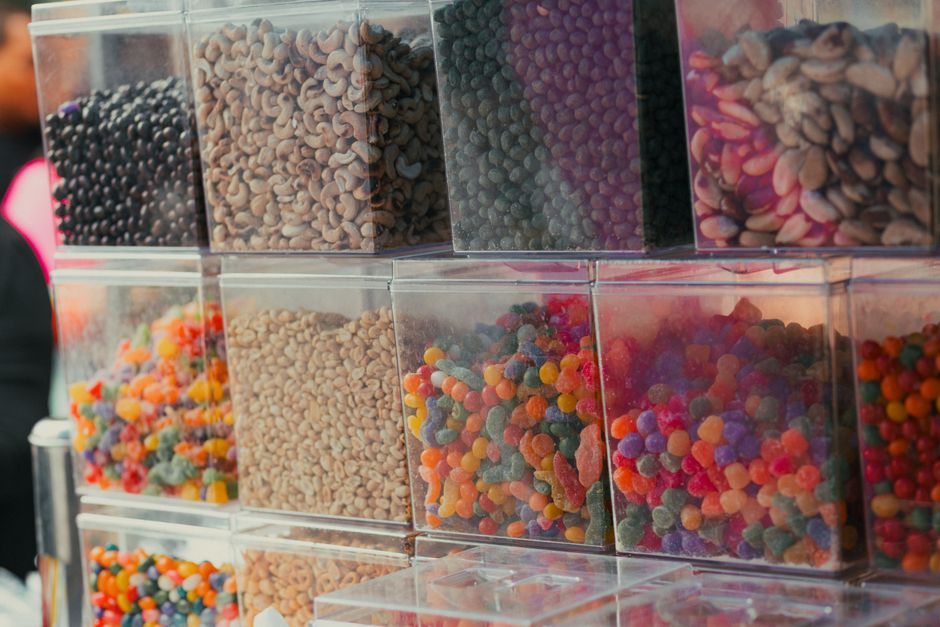
United States Snacks & Confectionery Regulations: FDA Requirements Explained
The United States Snacks & Confectionery market remains one of the largest packaged food opportunities in the world in 2026, but successful global expansion depends on getting regulatory compliance, channel strategy, and product positioning right from day one. For brands planning market entry, FDA rules on labeling, ingredients, claims, and facility obligations can directly affect launch timing, ecommerce conversion, retailer acceptance, and even Amazon ranking. This guide explains what founders and marketing directors need to know before scaling online sales in the United States.
Market Overview
In 2026, the US snacks and confectionery category continues to benefit from high purchase frequency, impulse buying, and strong omnichannel demand. The category spans salty snacks, nutrition bars, chocolate, sugar confectionery, cookies, crackers, trail mix, gummies, and better-for-you snack formats sold through grocery, mass retail, convenience, club, specialty retail, and digital channels.
Industry estimates place the total US snacks and confectionery market at approximately $182 billion in retail sales in 2026, with a projected 4.8% compound annual growth rate over the next five years. Growth is driven by premiumization, portion control, protein-forward snacking, low-sugar reformulations, seasonal gifting, and higher demand for convenient formats that travel well across retail and ecommerce.
Although physical retail still dominates, digital penetration is materially higher than it was five years ago. Online purchasing is especially strong for multipacks, subscription snacks, imported confectionery, functional snacks, and products that benefit from search-driven discovery and review accumulation.
| US Snacks & Confectionery Market Metric | 2026 Estimate | Notes |
|---|---|---|
| Total retail market size | $182B | Includes snacks, chocolate, sugar confectionery, cookies, bars, and adjacent impulse categories |
| 5-year projected CAGR | 4.8% | Driven by premium, functional, and convenience-led demand |
| Online share of category sales | 11.6% | Higher for multipacks, specialty diets, giftable confectionery, and Amazon-first brands |
| Retail/offline share | 88.4% | Grocery, mass, club, convenience, drug, and specialty retail remain core |
| Average unit velocity leader channels | Convenience, mass, club | Particularly strong for impulse confectionery and salty snacks |
Channel mix matters because each route to market creates different regulatory and commercial expectations. Grocery buyers will scrutinize packaging, ingredient decks, and case economics. Amazon sellers need compliant listings, durable shipping formats, and strong review generation. Convenience requires tight price architecture, while club often demands larger pack sizes and stronger gross margin discipline.
| Channel | Estimated 2026 Share | Typical Winning Products |
|---|---|---|
| Grocery/Supermarket | 32% | Everyday snacks, cookies, premium chocolate, family packs |
| Mass Retail | 19% | Multipacks, value confectionery, mainstream bars, seasonal items |
| Convenience | 15% | Single-serve candy, gum, salty snacks, energy-adjacent snacking |
| Club | 9% | Large resealable packs, variety packs, pantry loading |
| Drug & Specialty | 13% | Premium, gifting, diet-specific, novelty confectionery |
| Ecommerce | 12% | Subscription snacks, imported formats, functional snacks, best sellers on Amazon |
Opportunity Analysis
The best opportunities in United States snacks and confectionery in 2026 sit at the intersection of indulgence, convenience, and perceived better-for-you value. Consumers still buy traditional treats, but they increasingly expect cleaner labels, portion guidance, protein, fiber, or reduced sugar without sacrificing taste.
Best-performing categories
- Protein and functional snack bars: strong demand from wellness, fitness, and meal-replacement shoppers.
- Low-sugar and no-added-sugar confectionery: especially gummies, mints, and chocolate with alternative sweeteners.
- Premium chocolate: gifting, seasonal, and origin-story products continue to outpace commodity-priced lines.
- Trail mix, nut clusters, and fruit-based snacking: attractive to shoppers seeking “permissible indulgence.”
- Mini and portion-controlled formats: support calorie-conscious buying and lunchbox usage.
Ingredient trends worth watching include pistachio, date-based sweetness, high-cacao chocolate, mushroom-adjacent functional positioning in snacks, collagen in bars, and gut-health cues such as fiber-forward formulas. Brands should be careful, however, not to overstate functionality on pack or in listings; FDA and FTC expectations on substantiation apply regardless of whether a claim appears on a physical label or on a product detail page.
Consumer preferences shaping product-market fit
- Protein target: 8g to 15g per serving performs well in bars and savory snacking.
- Sugar benchmark: under 5g added sugar is a strong selling point in better-for-you snacks.
- Pack format: resealable pouches, mini bites, and variety packs improve repeat purchase online.
- Label cues: “gluten free,” “non-GMO,” “kosher,” and “no artificial colors” remain commercially useful when truthful and properly supported.
- Texture innovation: crunchy-chewy hybrids and layered formats win attention in crowded shelves and thumbnails.
Pricing benchmarks
Premium pricing is possible, but only with a clear value signal. Imported or founder-led brands entering the US often underprice at launch and then struggle with freight, marketplace fees, and promotional spend. A realistic benchmark helps avoid margin compression.
| Product Type | Typical US Retail Price | Premium Tier |
|---|---|---|
| Single protein/snack bar | $2.29–$3.49 | $3.79–$4.49 |
| Share-size chocolate or confectionery pouch | $3.49–$5.99 | $6.49–$8.99 |
| Better-for-you chips/puffs bag | $4.29–$5.99 | $6.49–$7.99 |
| Giftable boxed confectionery | $9.99–$18.99 | $19.99–$34.99 |
| Amazon multipack snack bundle | $18.99–$29.99 | $32.99+ |
For international brands unsure which subcategory has the best fit, the US Market Snapshot ($499) is useful for getting a fast, current read on demand, pricing, and channel opportunity before committing inventory.
Distribution Landscape
For most brands, a phased distribution model works best: marketplace validation, selective wholesale, then broader retail expansion once data supports it. The US is large enough that national rollout is rarely the smartest first move.
Top retail and wholesale channels
Major chains with meaningful snacks and confectionery volume include Walmart, Target, Kroger, Costco, Sam’s Club, Albertsons, 7-Eleven, CVS, Walgreens, Whole Foods Market, and Trader Joe’s. Specialty and natural accounts such as Sprouts Farmers Market, The Fresh Market, and regional banners can be strong entry points for differentiated products.
Key wholesalers and foodservice-adjacent distributors that may matter depending on format include UNFI, KeHE, and McLane. For imported brands or niche founders, regional specialty distributors can also unlock independent retailers, gourmet stores, and airport/concession channels.
Amazon and ecommerce opportunity
Amazon remains one of the most efficient routes for testing US consumer demand. It is particularly effective for shelf-stable Snacks & Confectionery products with a clear search intent: protein bar flavors, low-sugar candy, gift chocolate, mochi snacks, gummies, variety packs, and lunchbox snacks. Winning on Amazon depends on three things:
- Compliant content: product titles, bullets, images, and A+ content must avoid unsupported health or structure/function claims.
- Review and conversion strength: ratings, image quality, and pack clarity materially affect amazon ranking.
- Logistics durability: heat sensitivity, breakage risk, and pack leakage can destroy margins through returns.
Brands often assume Amazon is only a marketing channel, but in snacks it also functions as a retail proof point. Strong review velocity and repeat purchase can help support retailer buyer conversations. The Amazon Listing Audit from US Brand Launch is valuable here because it connects regulatory-safe copy with conversion and discoverability best practices for Amazon USA sellers.
DTC potential
DTC websites work best for subscription-friendly snacks, limited editions, sampler packs, and founder-led brands with strong storytelling. However, acquisition costs remain a challenge. Many brands use DTC less as a scale engine and more as a first-party data and bundle channel. Effective offers include flavor discovery boxes, subscribe-and-save, and loyalty-based reorders.
Regulatory Snapshot
The primary federal regulator for packaged snacks and confectionery sold in the United States is the Food and Drug Administration (FDA). Advertising and marketing claims are also relevant to the Federal Trade Commission (FTC). Imported food facilities are further affected by FDA facility registration and preventive controls requirements under FSMA.
Core FDA requirements
- Facility registration: domestic and foreign food facilities generally must register with FDA.
- Preventive controls: many manufacturers must comply with Current Good Manufacturing Practice, Hazard Analysis, and Risk-Based Preventive Controls for Human Food.
- Foreign supplier verification: US importers may need FSVP responsibilities for imported products.
- Food labeling: labels must meet FDA rules for identity statement, net quantity, ingredient list, allergen declaration, Nutrition Facts, and responsible firm name/address.
- Food allergen compliance: major allergens must be correctly declared; sesame remains a critical watchout.
Label requirements brands commonly miss
Most launch delays in snacks and confectionery come from basic label execution errors rather than exotic ingredient issues. Common problems include incorrect serving sizes, missing added sugars in Nutrition Facts, non-compliant type sizing, “healthy” style positioning without support, and inconsistent ingredient naming between label and ecommerce listing.
- Statement of identity: clearly describe the food, such as “dark chocolate covered almonds” or “baked chickpea snacks.”
- Net quantity of contents: must appear on the principal display panel using US customary units and, where applicable, metric.
- Ingredient list: ingredients listed by common or usual name in descending order by weight.
- Allergen declaration: milk, egg, fish, crustacean shellfish, tree nuts, peanuts, wheat, soy, and sesame must be properly disclosed.
- Nutrition Facts: must follow current FDA formatting and nutrient declaration rules.
Allowed and prohibited claims
Claims are a high-risk area because they affect both packaging and online sales copy. Examples of generally lower-risk claims when substantiated include “gluten free”, “no artificial flavors”, or “good source of fiber” if the product actually qualifies under FDA standards. Higher-risk claims include disease-related language such as “controls diabetes,” “supports ADHD,” or “heals gut inflammation.” Those can trigger drug-like concerns or FTC scrutiny if unsupported.
Even softer wellness language can create exposure if context implies treatment or prevention. A confectionery product using botanicals or functional ingredients should be reviewed carefully before making mood, cognitive, energy, immunity, or digestive claims.
Ingredient restrictions and watchouts
Brands should confirm that every ingredient is lawful for use in food in the US, including color additives, sweeteners, preservatives, and novel inclusions. Particular attention should be paid to:
- Color additives: only permitted colors may be used, and some require certification.
- Sweeteners: ensure use levels and labeling align with US requirements.
- Botanical or functional ingredients: confirm lawful food use, not just supplement familiarity.
- CBD/THC-related ingredients: highly restricted and not appropriate for mainstream FDA-compliant snacks launches.
Certifications and commercial signals
While not always legally required, certifications such as Kosher, USDA Organic for qualifying products, Non-GMO Project Verified, and Gluten-Free Certification Organization can improve buyer acceptance and conversion. These should be pursued only when supply chain documentation supports them.
Estimated compliance cost and timeline
| Compliance Task | Estimated Cost | Typical Timeline |
|---|---|---|
| FDA-compliant label review | $750–$2,500 per SKU | 1–3 weeks |
| Nutrition Facts panel creation/verification | $250–$900 per SKU | 3–10 days |
| Claims substantiation/legal review | $1,000–$4,000+ | 1–4 weeks |
| Packaging update/reprint | $1,500–$10,000+ | 2–8 weeks |
| Importer/FSVP setup | $1,000–$5,000+ | 2–6 weeks |
For brands with foreign-language packs or borderline claims, the AI Label Compliance Analysis ($999) from US Brand Launch can help identify FDA/FTC risks before inventory lands, reducing expensive relabeling and marketplace takedowns.
Launch Difficulty Score
For a well-positioned brand with shelf-stable products and realistic pricing, the US snacks and confectionery market is attractive but competitive. Regulatory requirements are manageable when addressed early, but channel execution is demanding.
| Factor | Score (0–100) | Interpretation |
|---|---|---|
| Demand | 88 | Large, resilient category with repeat purchase behavior |
| Competition | 32 | Very crowded; hard to stand out without product or brand differentiation |
| Regulatory Ease | 61 | Moderate complexity; solvable with strong label and claims discipline |
| Margin Opportunity | 70 | Good potential in premium and multipack formats, but freight and promo matter |
| Overall Launch Difficulty Score | 63 | Promising market with meaningful competition and moderate compliance work |
Actionable Next Steps
- Audit your formula for US legality: verify sweeteners, colors, flavors, and functional ingredients are suitable for food use in the United States.
- Rebuild the label for FDA compliance: do not simply translate an existing pack. Rework Nutrition Facts, allergens, net contents, and ingredient naming for US rules.
- Test claims across pack and digital: ensure your website, Amazon content, and social ads do not go beyond what your substantiation supports.
- Select the right launch channel: start with Amazon, regional retail, specialty wholesale, or DTC based on pack size, margin, and shelf-life realities.
- Model landed economics carefully: include freight, chargebacks, Amazon fees, promo spend, distributor margin, returns, and sampling costs.
- Create US-ready merchandising assets: hero images, pack shots, comparison charts, and retailer sell sheets should match compliant labeling.
- Use current market intelligence: a full US Launch Report ($999) can help identify white space, pricing, retailer fit, and launch barriers before you commit inventory or packaging.
Sources
Regulatory bodies and primary references
- U.S. Food and Drug Administration (FDA) — Food labeling, Nutrition Facts, allergen labeling, food facility registration, FSMA preventive controls, FSVP, color additives, and food ingredient compliance guidance.
- Federal Trade Commission (FTC) — Advertising substantiation and truth-in-advertising standards relevant to food marketing claims and ecommerce listings.
- U.S. Department of Agriculture (USDA) — Organic certification framework where applicable to qualifying snacks and confectionery products.
Market and channel sources referenced for category direction and retail context
- National Confectioners Association news and category updates on US confectionery demand and seasonal purchasing trends.
- Circana reporting and retail snack category commentary on omnichannel performance and pricing dynamics.
- Numerator consumer insights on household purchasing and snack behavior.
- Marketplace observations from Amazon US category trends, bestseller patterns, and packaged food ecommerce performance in 2026.
The bottom line: the Snacks & Confectionery opportunity in the United States is real, but profitable market entry requires disciplined regulatory compliance, sharp channel selection, and strong execution across ecommerce and retail. If you want a clearer go-to-market plan, get a personalized US Launch Intelligence Report or start with a free Brand Readiness Score from US Brand Launch.