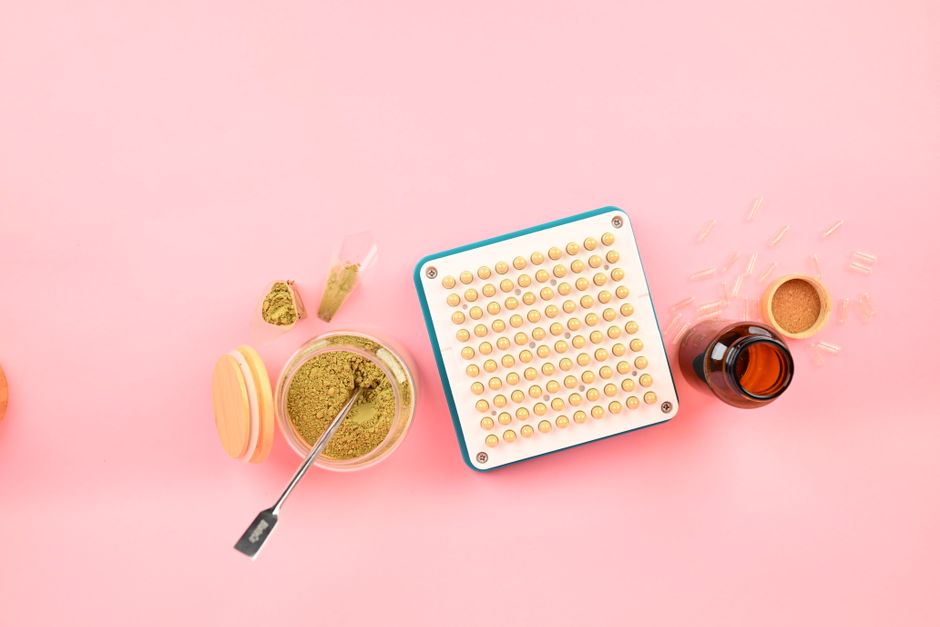
Building a United States Sports Nutrition Brand Without a Local Presence
For international founders, launching a Sports Nutrition brand in the United States without a local office is entirely possible in 2026, but it requires disciplined execution across global expansion, regulatory compliance, channel selection, and pricing strategy. The US market remains the world’s most commercially significant sports nutrition arena, yet it is also one of the most competitive and scrutinized. Brands that win typically enter with a sharp market positioning story, a channel-specific offer, and a documented compliance process that satisfies FDA and FTC expectations.
The challenge is not just demand generation. It is understanding where the category is growing, how to approach market entry remotely, what pricing consumers will accept, which claims create risk, and how to conduct a practical competitive analysis and benchmark against US leaders. Below is a focused playbook for building a US sports nutrition business without an on-the-ground presence.
Market Overview
The US sports nutrition category in 2026 is a mature but still expanding market, supported by gym participation, performance-oriented wellness, GLP-1-related protein retention concerns, and mainstream adoption of protein and hydration products beyond bodybuilders. Realistically, the total US sports nutrition market is now in the $27–$31 billion range at retail sales value, with annual growth around 7%–9% depending on the segment. Growth is no longer concentrated only in whey powders; ready-to-drink protein, hydration, creatine, pre-workout, and “clean energy” formats are taking share.
Online remains critical for discovery and trial, but mass retail and specialty chains still shape scale. Amazon is often the first entry point for non-US brands because it reduces the need for immediate national retail distribution. However, wholesale remains important for credibility and velocity if a brand wants to break out of the long-tail digital environment.
| US Sports Nutrition Market Metric (2026) | Estimated Figure | Implication for New Entrants |
|---|---|---|
| Total retail market size | $27B–$31B | Large enough to support niche positioning, but highly segmented |
| Annual market growth | 7%–9% | Growth exists, but not all formats are growing equally |
| Online share of category sales | 38%–44% | Remote market entry is feasible through e-commerce-first models |
| Amazon share of online category | 45%–55% | Amazon often becomes the primary acquisition channel early on |
| Specialty retail share | 16%–20% | Important for credibility in performance-led subcategories |
| Mass/grocery/drug share | 30%–36% | Best suited for scaled protein, hydration, and RTD products |
| Major US Channel Split for Sports Nutrition (2026) | Approx. Share | Leading Examples |
|---|---|---|
| Amazon marketplace and 1P/3P online retail | 20%–24% | Amazon |
| Brand DTC websites | 8%–12% | Shopify-based brand stores |
| Specialty nutrition chains | 10%–14% | GNC, The Vitamin Shoppe |
| Mass merchants | 14%–18% | Walmart, Target |
| Club and warehouse | 5%–8% | Costco, Sam’s Club |
| Grocery, natural, and drug | 11%–15% | Kroger, Albertsons, Whole Foods Market, CVS, Walgreens |
| Fitness, convenience, and other | 10%–14% | Gyms, regional distributors, specialty outlets |
For a founder without US staff, the key takeaway is straightforward: the market is accessible remotely, but channel economics differ sharply. Amazon can deliver fast testing. DTC can build brand equity and capture first-party data. Retail can provide scale, but usually only after a brand has proven conversion, repeat rate, and compliant packaging.
Opportunity Analysis
The best opportunities in US sports nutrition are not simply “high demand” categories; they are categories where a foreign brand can create clear differentiation without needing instant national distribution. In 2026, the strongest opportunity pockets are protein innovation, hydration/performance electrolytes, creatine, pre-workout, and convenient formats such as sticks, RTDs, gummies, and capsules.
Best-performing categories
- Protein powders: Still the largest segment, but crowded. Opportunity comes from digestive tolerance, premium flavors, single-serve sachets, and women’s or active-aging positioning.
- RTD protein shakes: Strong growth in mass and club channels, especially around 20g–30g protein, low sugar, and meal-support positioning.
- Creatine monohydrate: One of the fastest-growing ingredients due to broader consumer education and crossover from strength to cognitive-performance messaging.
- Hydration mixes: Growth fueled by everyday active consumers, not just athletes. Sugar balance, sodium clarity, and convenience drive choice.
- Pre-workout: Large and engaged audience, but elevated scrutiny on stimulant levels and claims. Best for brands with transparent dosing.
Fastest-growing ingredients and formats
In the current cycle, creatine monohydrate, electrolytes, caffeine-plus-nootropic blends, and high-protein low-sugar formats show particularly strong momentum. Functional add-ons like L-theanine, beta-alanine, taurine, and BCAAs still matter, but consumer sophistication has increased. US buyers increasingly compare dose transparency rather than just front-label hype.
Formats also matter. Powders remain dominant by value, but stick packs have become attractive for cross-border brands because they lower trial friction, travel well, and fit Amazon multipack logic. RTDs are commercially strong but operationally harder without US infrastructure because freight, warehousing, and shelf-life economics are less forgiving.
| Category / Format | 2026 Growth Outlook | Entry Attractiveness Without US Presence | Typical Premium Positioning |
|---|---|---|---|
| Protein powder | Moderate | High | Grass-fed, clean label, digestive support, specialty flavors |
| Creatine powder/capsules | High | High | Purity, tested quality, micronized format |
| Hydration sticks | High | High | Low sugar, performance sodium, travel convenience |
| Pre-workout powders | Moderate to high | Medium | Fully disclosed formulas, stimulant control, flavor system |
| RTD protein | High | Low to medium | Convenience, satiety, taste, high protein density |
Consumer preferences and pricing benchmarks
US consumers increasingly reward three things: transparent labels, credible functionality, and taste. “Clinically dosed” language, third-party testing cues, and clear serving economics all improve conversion. Consumers are also less tolerant of proprietary blends than in prior years.
Pricing must be benchmarked by channel, not just by product type. A realistic pricing benchmark in 2026 looks like this:
- Protein powder: $1.30–$2.10 per serving for mainstream premium; above $2.20 requires strong differentiation.
- Creatine monohydrate: $0.35–$0.80 per serving; difficult to command premium unless purity/testing story is strong.
- Hydration sticks: $1.00–$1.80 per stick for premium positioning.
- Pre-workout: $1.20–$2.50 per serving depending on stimulant and ingredient complexity.
- RTD protein: $2.75–$4.50 per bottle in mainstream retail; lower effective pricing in club packs.
For a practical competitive analysis, compare against 8–12 direct competitors on Amazon US and specialty retail: serving count, price per serving, top 5 ingredients, claims, review count, flavor breadth, subscription discount, and certifications. This is exactly the kind of benchmark work many brands complete through a US Market Snapshot ($499) before committing to a full rollout.
Distribution Landscape
Without a local presence, distribution strategy should be sequenced, not simultaneous. Most successful foreign entrants begin with one of two models: Amazon-first or DTC plus marketplace. Retail expansion usually follows once inventory turns, review volume, and compliant assets are in place.
Top retailers and chains
- Amazon: Highest visibility and easiest remote entry, but also highly competitive and review-driven.
- GNC: Still a meaningful specialty chain for performance-focused products and brand legitimacy.
- The Vitamin Shoppe: Valuable for specialty credibility and category education.
- Walmart: Major scale opportunity for protein, hydration, and value-led formats.
- Target: Better fit for clean-label, lifestyle, and accessible premium brands.
- Costco and Sam’s Club: Attractive for larger packs and RTD formats, but usually require strong supply readiness.
- Whole Foods Market: Relevant only if natural/ingredient standards and brand ethos align.
Amazon and e-commerce opportunity
Amazon US is often the best initial route for market entry because it allows testing of pricing, claims language, images, and subscription behavior with less retailer gatekeeping. However, success requires localization. Product titles, A+ content, review generation, and unit economics must be built for US search behavior. International brands frequently underperform because they use translated copy that misses category keywords or overstates claims. An Amazon Listing Audit is often worthwhile before launch if Amazon is your primary channel.
DTC remains attractive for higher-margin bundles, sample kits, subscriptions, and community-led brands. But paid acquisition is expensive, and without US-based fulfillment and customer service, repeat rates can suffer. A hybrid model often works best: Amazon for discovery and conversion, DTC for retention and higher average order value.
Distributors and wholesalers
For specialty and retail access, brands often work with US distributors or wholesalers that already cover nutrition and wellness accounts. Depending on product fit and scale, names that may be relevant include Europa Sports Partners, KeHE, and UNFI. Specialty-focused products may also work with regional sports nutrition distributors and gym-channel wholesalers. The catch is margin compression: every layer added to a remote launch reduces flexibility on promotions and retailer terms.
Before signing US distribution, founders should benchmark landed cost, distributor margin, retailer margin, promotional accruals, and freight assumptions. This is where a full US Launch Report ($999) can prevent costly mistakes by mapping realistic channel economics and competitor positioning before inventory is committed.
Regulatory Snapshot
In the United States, sports nutrition products are typically regulated as dietary supplements or, in some cases, conventional foods or beverages. The primary regulatory authority is the US Food and Drug Administration (FDA). Advertising and marketing claims are also subject to the Federal Trade Commission (FTC).
Core label requirements
- Statement of identity, such as “Dietary Supplement”
- Net quantity of contents
- Supplement Facts panel formatted to FDA specifications
- Ingredient list and allergen disclosure where applicable
- Name and place of business of manufacturer, packer, or distributor
- Domestic address or phone number for serious adverse event reporting
- Required dietary supplement disclaimer for structure/function claims
Allowed and prohibited claims
Allowed claims generally include structure/function claims such as “supports muscle recovery,” “helps hydration,” or “supports energy metabolism,” provided they are truthful, substantiated, and include the DSHEA disclaimer when required. Disease claims are prohibited. For example, “treats sarcopenia,” “prevents dehydration-related illness,” or “reduces anxiety disorder symptoms” can create major FDA and FTC risk.
Performance claims also require care. “Clinically shown” should only be used when the finished product or clearly relevant ingredient evidence supports the exact claim context. “Safe for all athletes” can also be problematic unless backed by strong testing protocols and careful wording.
Ingredient restrictions and manufacturing expectations
Brands must assess whether ingredients are lawful dietary ingredients in the US and whether any new dietary ingredient issues apply. High-risk stimulants, gray-market compounds, or novel substances can trigger detention, warning letters, or marketplace removal. FDA expects dietary supplements to be manufactured under 21 CFR Part 111 cGMP requirements. In practice, US buyers increasingly expect third-party testing, Certificates of Analysis, and contamination controls for heavy metals, microbes, and banned substances where relevant.
Common voluntary certifications that strengthen market positioning include NSF Certified for Sport, Informed Sport, Non-GMO Project Verified, and sometimes USP Verified for selected categories. These are not mandatory for most launches, but they can materially improve trust and retail acceptance.
Estimated compliance cost and timeline
| Compliance Task | Estimated Cost (USD) | Typical Timeline |
|---|---|---|
| FDA/FTC label review | $800–$2,500 | 1–2 weeks |
| Artwork revision and Supplement Facts reformatting | $300–$1,200 | 1–3 weeks |
| Third-party lab verification/basic testing | $1,000–$4,000 per SKU | 2–4 weeks |
| Facility or cGMP documentation checks | $1,500–$5,000+ | 2–6 weeks |
| Certification program (if pursued) | $5,000–$25,000+ | 2–6 months |
Many non-US brands underestimate this stage. If your current pack was built for another market, use an AI Label Compliance Analysis ($999) before printing inventory for the United States. It is far cheaper than relabeling a full production run after Amazon flags a listing or a retail buyer requests changes.
Launch Difficulty Score
For 2026, building a United States sports nutrition brand without a local presence is feasible but moderately difficult. Demand is strong, but competition and compliance complexity are real.
| Factor | Score (0–100) | Interpretation |
|---|---|---|
| Demand | 84 | Large, resilient category with broad consumer adoption |
| Competition | 32 | Very crowded, especially on Amazon and protein powder |
| Regulatory Ease | 48 | Manageable with preparation, but claim and ingredient risk is significant |
| Margin Opportunity | 67 | Attractive in powders, sticks, and DTC bundles; weaker with heavy wholesale layering |
| Overall Launch Difficulty Score | 61 | Medium-high difficulty, strong upside for differentiated brands |
Actionable Next Steps
- Choose one hero SKU for US market entry. Start with a format that ships efficiently and has clear demand, such as protein powder, creatine, or hydration sticks.
- Run a US-specific competitive benchmark. Compare 8–12 leading products by price per serving, review count, claims, top ingredients, and subscription offer. Do not rely on your home-market assumptions.
- Validate your regulatory compliance before production. Review claims, Supplement Facts format, allergens, and required disclaimers against FDA and FTC expectations.
- Localize your pricing and positioning. Build a US-friendly value equation: flavor, dosage clarity, certifications, and price-per-serving must align with category norms.
- Launch in one primary channel first. Amazon US is often the fastest route. DTC can follow once messaging, fulfillment, and customer service are stable.
- Secure compliant US logistics. Establish warehousing, returns handling, and customer support processes that meet marketplace and consumer expectations.
- Track market news continuously. Ingredient trends, enforcement actions, and retailer priorities shift quickly; ongoing monitoring through tools like Industry Intel can materially improve execution timing.
Sources
- US Food and Drug Administration (FDA) — Dietary supplement labeling, cGMP requirements under 21 CFR Part 111, structure/function claim guidance, and general compliance resources.
- Federal Trade Commission (FTC) — Health product advertising and substantiation guidance.
- Amazon USA marketplace data and category observation — Sports nutrition pricing, review benchmarks, and listing structure observed across major brands in 2026.
- Retailer category observation — GNC, The Vitamin Shoppe, Walmart, Target, Costco, Sam’s Club, Whole Foods Market, CVS, and Walgreens assortment patterns in sports nutrition.
- UNFI, KeHE, and Europa Sports Partners — Publicly available distributor and wholesale network information relevant to category access.
- Company news releases and trade reporting in 2025–2026 covering protein, hydration, creatine, and sports nutrition product launches, assortment changes, and channel expansion across the US market.
For founders planning global expansion into Sports Nutrition in the United States, the winning formula is disciplined regulatory compliance, channel-by-channel market entry, precise market positioning, and a live benchmark against what US consumers already buy. If you want a faster path, request a personalized US Launch Intelligence Report or get a free Brand Readiness Score from US Brand Launch to identify your biggest gaps before you invest in packaging, inventory, and paid media.