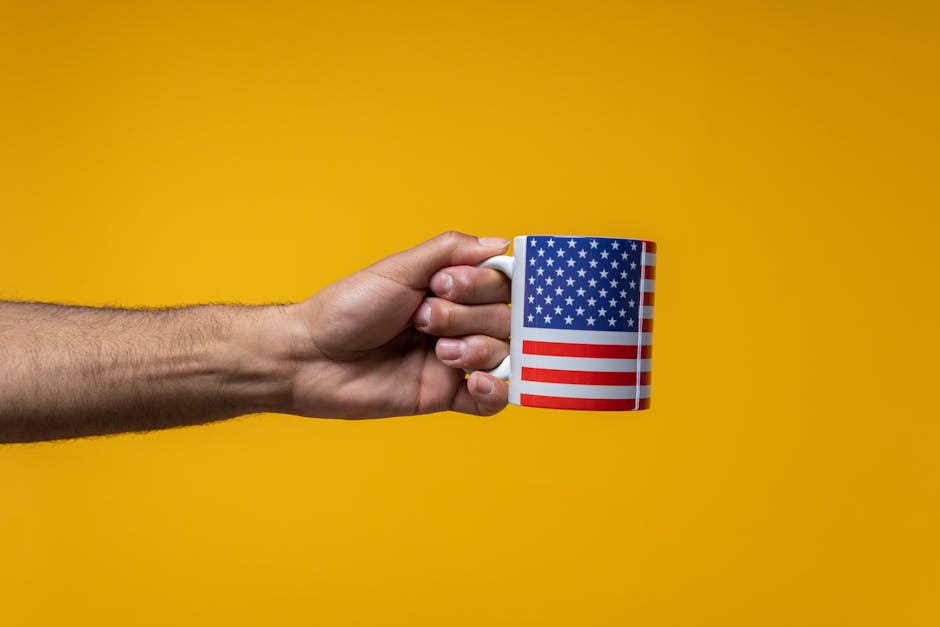
“We Have Strong Opinions About Coffee Mugs — These Are Our Editors’ Favorites”: What Coffee & Tea Brands Need to Know in the United States
Food & Wine’s recent feature, “We Have Strong Opinions About Coffee Mugs — These Are Our Editors’ Favorites,” is more than a lifestyle story. It is a live signal that the United States Coffee & Tea market is increasingly shaped by adjacent products, ritual-led purchasing, and discovery-driven ecommerce. For brands planning market entry, Amazon growth, or broader global expansion into the US, this matters now because consumer demand is clustering around complete beverage occasions: not just beans or tea bags, but mugs, brewers, travel formats, premium accessories, and functional beverage add-ons that influence online sales and amazon ranking.
Supporting media coverage points in the same direction. Food & Wine also highlighted premium brewers in “10 High-End Coffee Makers Actually Worth Their Price Tag, According to Our Tests,” while Bon Appétit focused on travel mugs for commuting and road trips. Add Serious Eats’ attention to mushroom coffee and USA Today’s back-to-school gadget picks, and the signal is clear: US consumers are buying beverage routines, not isolated products. That creates room for smart positioning, but it also raises the bar on differentiation, compliance, and channel strategy.
Market Overview
The US Coffee & Tea market in 2026 remains one of the largest packaged beverage categories in the country, spanning roasted coffee, pods, ready-to-drink coffee, tea bags, loose-leaf tea, instant formats, concentrates, and functional blends. Demand is mature in household penetration but still growing in premium, convenience, and wellness-led segments.
For launch planning, a realistic working estimate puts the combined US retail market for packaged Coffee & Tea products at $34.8 billion in 2026, with a blended annual growth rate around 5.2%. Coffee continues to account for the majority of sales, but tea and hybrid functional formats are outperforming in innovation velocity.
| Segment | 2026 US Retail Sales | Est. YoY Growth | Notes |
|---|---|---|---|
| Coffee (ground, whole bean, pods, instant, RTD) | $24.6B | 4.8% | Largest segment; strong premiumization and convenience demand |
| Tea (bagged, loose, instant, RTD shelf-stable mixes) | $8.1B | 5.6% | Growth led by specialty, herbal, and wellness-oriented blends |
| Functional coffee & tea blends | $2.1B | 11.9% | Mushroom, adaptogen, nootropic, protein, and beauty-positioned products |
Channel mix is critical for founders evaluating launch economics. Grocery still drives volume, but online is over-indexing on discovery, premium price points, subscriptions, and niche claims. Amazon is the single most important marketplace for new-to-market brand testing because of search-led intent and strong review effects.
| Channel | Share of 2026 US Coffee & Tea Sales | Role in Market Entry |
|---|---|---|
| Grocery / Mass Retail | 49% | Scale, repeat purchase, mainstream visibility |
| Club / Value Retail | 12% | High-volume formats, price competitiveness |
| Natural / Specialty Retail | 10% | Premium and wellness-oriented consumer base |
| Amazon | 16% | Fast launch, keyword capture, review-led conversion |
| DTC Brand Sites | 7% | Higher margin, bundling, subscription economics |
| Other Ecommerce Marketplaces | 6% | Niche channels, omnichannel support |
In practical terms, brands entering the United States should treat Amazon and DTC as early validation engines, while building toward grocery, natural retail, and specialty wholesale once velocity and repeat purchase are proven.
Opportunity Analysis
The strongest opportunities are where consumption habits intersect with convenience, premium ritual, or functional positioning. The coffee mug editorial trend matters because it reveals a larger consumer behavior: people are curating beverage experiences at home, at work, and on the go. Products that fit those routines gain stronger click-through and basket-building potential online.
Best categories to target in 2026
- Specialty coffee pods and premium ground coffee: High replenishment, strong Amazon search demand, and broad giftability.
- Functional coffee blends: Mushroom coffee, added-focus blends, and low-acid positioning continue to attract curiosity and premium pricing.
- Herbal and wellness teas: Sleep, digestion, calm, and caffeine-free formats remain strong in both DTC and natural retail.
- Travel-friendly and single-serve formats: Stick packs, sachets, and portable concentrates fit commuting, office, and school routines.
- Giftable bundles: Mug-plus-coffee or brewer-plus-tea bundles can improve AOV and create stronger marketplace differentiation.
Serious Eats’ coverage of mushroom coffee is particularly important because it reflects continued consumer openness to functional formats, even among skeptics. That does not guarantee easy scale, but it indicates a durable trial market for differentiated ingredients when taste barriers are reduced.
Fastest-growing ingredients and formats
- Mushroom blends: lion’s mane, reishi, cordyceps-inspired positioning
- Adaptogenic tea and coffee mixes
- Protein coffee and satiety-positioned blends
- Low-caffeine and half-caf options
- Compostable pods and sustainability-forward packaging
- Cold brew concentrates and instant premium formats
That said, innovation should be filtered through US compliance and claims risk. “Focus,” “calm,” and “energy” can be marketable, but disease-adjacent or drug-like language raises FDA and FTC concerns quickly.
Consumer preferences and pricing benchmarks
US buyers are showing five durable preferences:
- Flavor credibility: Taste still outweighs trend ingredients in repeat purchase.
- Convenience: Pods, sachets, RTD-adjacent formats, and fast prep matter.
- Routine compatibility: Home office, commuting, and gifting use cases perform well.
- Functional justification: Buyers will pay more if the product benefit is clear and plausible.
- Premium design: Packaging aesthetics influence conversion, especially on Amazon.
Typical 2026 pricing benchmarks in US ecommerce:
- Premium ground coffee, 10–12 oz: $13.99–$19.99
- Specialty whole bean coffee, 12 oz: $15.99–$22.99
- Functional mushroom coffee, 20–30 servings: $24.99–$39.99
- Tea bags, 16–20 count premium herbal: $8.99–$15.99
- Loose-leaf specialty tea, 3–4 oz: $12.99–$21.99
- Instant stick packs, 10–14 count: $14.99–$27.99
For imported or expansion-stage brands, these ranges mean margin can work if sourcing, fulfillment, and advertising are tightly managed. Before launch, many operators use the US Market Snapshot ($499) to assess realistic pricing and channel fit, then upgrade to a fuller plan once initial demand signals are confirmed.
Distribution Landscape
The US distribution environment is fragmented but navigable if brands sequence channels correctly. Most failed entries do not fail because of weak product quality; they fail because they enter the wrong channel too early, with the wrong pack size, pricing, or compliance setup.
Top retailers and chains
- Amazon US: Best for search capture, review velocity, and testing new claims or subcategories.
- Walmart: Strong mainstream reach, value pressure, and growing online grocery influence.
- Target: Better fit for design-led, premium-adjacent, and younger household audiences.
- Kroger, Albertsons, Publix: Core grocery scale for mainstream coffee and tea products.
- Whole Foods Market: Important for premium, organic, and wellness-forward items.
- Costco and Sam’s Club: Good for high-velocity bulk packs, but not ideal for first-stage entry.
- Sprouts Farmers Market: Attractive for functional and natural tea or coffee formats.
Amazon and ecommerce opportunity
Amazon remains the most practical first major channel for many new entrants. Search behavior in Coffee & Tea is strong, replenishment cycles are favorable, and visual merchandising can influence conversion. However, competition is intense. Winning requires more than keyword stuffing: images, A+ content, review quality, price architecture, and inventory reliability all affect amazon ranking.
Key Amazon success levers include:
- Owning a clear keyword niche such as “mushroom coffee,” “low acid coffee,” “sleep tea,” or “travel tea sachets”
- Using pack counts and serving economics that compare favorably to category leaders
- Designing bundles that reflect the broader consumption ritual highlighted by media trends around mugs, coffee makers, and on-the-go drinkware
- Building early reviews through compliant post-purchase follow-up and sampling programs
- Keeping stock healthy to avoid rank loss from out-of-stocks
Brands already selling abroad often underestimate how different US search behavior is. An Amazon Listing Audit can be valuable before launch, especially when imported product pages need to be rebuilt for US category language and conversion patterns.
DTC and wholesale potential
DTC works well for premium storytelling, subscriptions, and educational categories such as loose-leaf tea or functional coffee. Subscription discounts of 10%–15% are common and can improve repeat economics. Still, customer acquisition costs in 2026 are high, so DTC is strongest when paired with organic content, creator partnerships, sampling, or Amazon-led discovery.
Wholesale pathways include UNFI and KeHE for natural and specialty retail, plus regional coffee and gourmet distributors for independent stores, cafés, and gift channels. For brands with strong packaging and gifting appeal, specialty housewares and lifestyle retailers can also become relevant because the line between beverage product and beverage ritual continues to blur.
Regulatory Snapshot
In the United States, Coffee & Tea products are primarily regulated by the Food and Drug Administration (FDA), with advertising oversight from the Federal Trade Commission (FTC). If your product is a conventional food or beverage mix, it must comply with FDA food labeling rules, ingredient declaration requirements, allergen rules where applicable, and facility-related obligations under US food law.
Core label requirements
- Statement of identity
- Net quantity of contents in US format
- Ingredient list in descending order by weight
- Major allergen disclosure if applicable
- Name and address of manufacturer, packer, or distributor
- Nutrition Facts panel in the correct FDA format, unless exempt
- Country of origin considerations for imported products
Allowed and prohibited claims
Lower-risk claims include general taste, format, sourcing, and lifestyle positioning, such as “bold roast,” “single-origin,” “caffeine-free herbal blend,” or “supports your daily routine” if properly substantiated and contextually appropriate. Higher-risk claims include disease treatment or prevention language, implied drug effects, or unsubstantiated performance outcomes.
Examples of problematic claims:
- “Treats anxiety”
- “Lowers blood sugar”
- “Prevents dementia”
- “Cures insomnia”
Examples of more manageable claims, depending on evidence and context:
- “Provides a smooth energy experience”
- “Crafted for focus-friendly mornings”
- “Calming herbal blend”
Functional Coffee & Tea brands should be especially careful if using mushrooms, botanicals, or adaptogen-style messaging. The ingredient may be lawful, but the marketing language can still trigger risk. This is where the AI Label Compliance Analysis ($999) is useful for FDA/FTC checks before artwork or listings go live.
Ingredient restrictions, certifications, and compliance timeline
Brands must assess whether each ingredient is appropriate for use in conventional foods in the US. Novel ingredients, nontraditional botanicals, or aggressive dosage formats may require deeper legal review. Organic, Non-GMO, kosher, and fair-trade certifications can support retail access and premium pricing, but each adds operational complexity and audit cost.
Typical compliance cost and timing ranges for a US Coffee & Tea launch:
- Basic label adaptation and Nutrition Facts setup: $1,500–$4,000
- Legal/compliance review for claims and ingredients: $2,500–$8,000+
- Packaging updates for US standards: 2–6 weeks
- Imported product documentation and coordination: 2–8 weeks
- Retail-readiness timeline from final formula to sellable inventory: 8–16 weeks
If the current label is in another language, Label Translation plus a US compliance review should happen before any retailer outreach, not after.
Launch Difficulty Score
The US Coffee & Tea category is attractive, but not easy. Demand is strong; competition is stronger. Regulatory burden is manageable for standard products and more complex for functional formats.
| Factor | Score (0–100) | Comment |
|---|---|---|
| Demand | 84 | Large, stable category with premium and functional growth pockets |
| Competition | 32 | Very crowded, especially on Amazon and in grocery |
| Regulatory Ease | 68 | Moderate for standard products; tighter for claims-heavy functional items |
| Margin Opportunity | 71 | Solid in premium, sachet, pod, and subscription-led formats |
| Overall Launch Difficulty Score | 64 | Good opportunity, but requires sharp differentiation and disciplined execution |
Actionable Next Steps
- Choose one demand wedge first. Enter with a specific subcategory such as premium pods, sleep tea, low-acid coffee, or mushroom coffee rather than a broad “for everyone” proposition.
- Build a US-specific pricing model. Include landed cost, Amazon fees, ad spend, couponing, and expected return rates before finalizing MSRP.
- Audit claims and ingredients early. Do not assume existing international packaging or website language is safe for the FDA-regulated US market.
- Design for marketplace conversion. Main image, count architecture, benefits hierarchy, and bundle logic all influence rank and repeat purchase.
- Sequence channels properly. Start with Amazon and DTC for proof, then approach Whole Foods, Sprouts, or regional grocery once velocity data is available.
- Use adjacent-product signals strategically. The attention on mugs, brewers, and travel drinkware suggests strong potential for gifting, subscriptions, and ritual-based merchandising.
- Invest in better intelligence before scaling. A full US Launch Report ($999) is the right move when you need channel sizing, pricing benchmarks, competitor mapping, and compliance considerations in one plan.
Sources
- Food & Wine: “We Have Strong Opinions About Coffee Mugs — These Are Our Editors’ Favorites.”
- Food & Wine: “10 High-End Coffee Makers Actually Worth Their Price Tag, According to Our Tests.”
- Serious Eats: “I Was a Mushroom Coffee Skeptic—But I Found 4 I’d Drink Every Morning.”
- Bon Appétit: “The Best Travel Coffee Mugs for Road Trips, Park Strolls, and Your Morning Commute.”
- USA Today: “I found 10 back-to-school gadgets students will actually use every day.”
- US Food and Drug Administration (FDA), food labeling and food facility guidance.
- US Federal Trade Commission (FTC), advertising and substantiation guidance.
For brands serious about market entry into the US Coffee & Tea category, the opportunity is real, but so is the execution risk. If you want a sharper path through pricing, regulatory compliance, Amazon strategy, and channel selection, get a personalized US Launch Intelligence Report or request a free Brand Readiness Score from US Brand Launch.